The death of a beloved pet may seem like too much for your wide-eyed and bewildered child to handle. But kids are more resilient than we often give them credit for. Most kids will be able to adjust to the loss of a pet if your approach is honest, gentle and patient. It’s important to support and guide your child through the stages of grief that may involve denial, sadness, depression, guilt and anger, and provide the necessary outlets in order to reach a healthy recovery. Here are some parenting tips to help your child deal with the loss of a pet.
1. Say good-bye
If your pet is sick and you know death is imminent, don’t conceal the pet’s condition. Prepping your child for the inevitable tragedy will give your child more time to accept it and help her develop a better understanding of the dying process. If your pet has already died (and your child is old enough), offer your child the choice to cremate the pet or have a burial service where family members can openly express their feelings, which can help her grieve.
2. Address your own grief
When you see the grief caused by the loss of a pet grip your vulnerable child, your instinct might be to run and protect your child at the expense of neglecting yourself. But before you can help anyone, you need to help yourself first (think oxygen mask on an airplane). Grieving a pet is a process. Your child will need you to be a continued source of positive support. Eat a healthy diet, get plenty of sleep, and exercise regularly to release endorphins and help boost your mood.
3. Ask for help
Expectedly, there may be a lot going on at home. Seek outside support from family and friends, especially from those who have also experienced the loss of a pet. Tell your child’s teacher who can lend an ear at school when you’re not around. Also check out online message boards, support groups and pet loss hotlines.
4. Communicate
Talk to your child in an open and honest manner about the death of a pet. Depending on your child’s age, she may not understand death. In which case, your child should be told her pet has died and will not return, and she was in no way the case of it. Older children who can grasp the concept of death a little better may begin to fear their own death or the death of their parents.
Reassure your child that such tragedy is not likely to happen but be honest; don’t provide guarantees you can’t promise. It’s also perfectly ok to tell your child ‘I don’t know.’ Keep answers and explanations concise and honest without providing too much detail. And resist using phrases like ‘put to sleep’ or ‘God has taken,’ which your child can misunderstand.
5. Share your own feelings
Sharing your own feelings and even crying in front of your child shows her it’s ok to do the same. It can be difficult when you're also grieving, but it's important that we try not to overwhelm our child’s sorrow with our own.
6. Give your child permission to be emotional
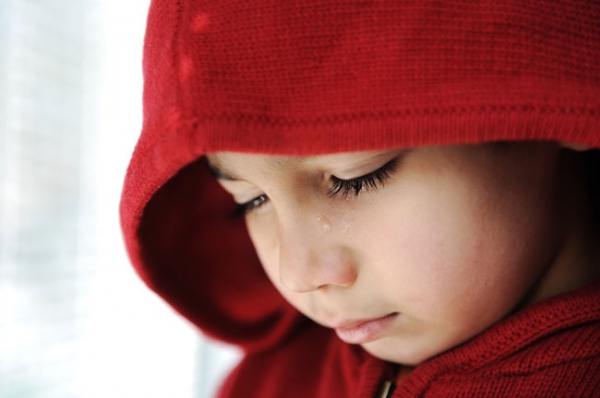
Words may be few so allow your child to cry. Children should not be criticized for crying or told to be strong. According to grief experts, one of the most important things you can do when your family loses a beloved pet is to avoid telling your child how she should feel.
7. Provide plenty of hugs
It’s important to buttress your child’s vulnerability with plenty of tender love and care.
8. Celebrate the life of a beloved pet
Drawing pictures, writing letters to pets or creating a special scrapbook album has been known to benefit children.
9. Introduce books
Books have been known to provide a third person perspective using a creative, consoling and clear narrative that speaks to children in a powerful way.
10. Maintain routine
Maintaining daily routines help sustain normalcy and structure for your child, other surviving pets and the family as a whole.