Space is captivating, and there is so much to explore. Stars, planets, galaxies, meteors, comets, moons, and more all await to be discovered! There are many ways we can teach our children about our tiny blue planet and the vastness that surrounds it. Below are five activities that will help you explore space with your little one.
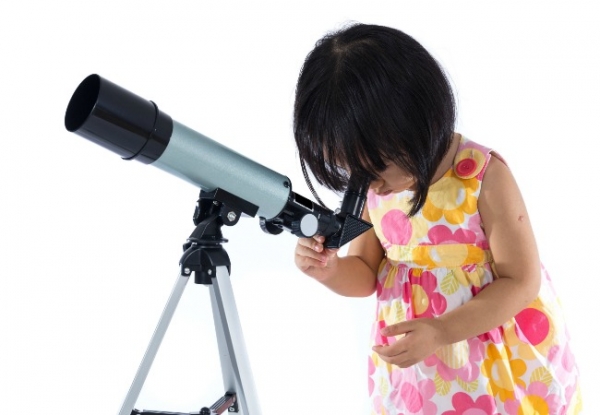
1. Just peering through a simple telescope opens your child’s eyes to the wonders of the universe. Your child can view our amazing moon, twinkling stars, and even see other planets, depending on the quality of the telescope. If a telescope isn’t in the budget right now, you can use a pair of 10 x 50 binoculars to see deep into the night sky. The naked eye can, of course, also see the beauty of the stars. Constellations are a great place to start with little kids.
2. In our digital age, it’s easier than ever before to explore space. You can watch live streaming of Earth from space and live views from the space station. You can follow NASA on Twitter and Instagram for breathtaking photos as well as the International Space Station on Twitter and Instagram for even more amazing footage. Online, you and your child can watch live launches, see real astronauts at work, and much more. There are also an abundance of YouTube videos and other resources to help you explore space with your little one.
3. Books are another great way for children to learn about space. Your child can learn about space with Dr. Seuss or National Geographic and read about Neil Armstrong or fascinating rockets! What better way to inspire a love of reading early in your child’s life than by diving straight into fascinating books that captivate your child’s imagination? Here are 5 great books to get you started.
a. Little Kids First Big Book of Space
b. There’s No Place Like Space
c. Our Solar System (Science for Toddlers)
e. What’s Out There? A Book about Space
4. One of my fondest memories with my kids is lying on a trampoline side by side and hand in hand watching meteors streak through the sky. We counted 27 meteors that night! It was awe-inspiring. Check out this schedule of meteor showers so that you can plan your next viewing event. It looks like your next shot to see one is on October 9, 2018. Before you grab a blanket and head out though, there are a few tips you should know.
- Get as far away from city lights as possible. Perhaps you could turn this viewing into a camping trip? The glare of lights makes it difficult to see the night sky. Find a place where you have a clear view of the sky, and be sure to give your eyes enough time to adjust to the darkness before the shower begins.
- Also, dress appropriately! Sometimes it takes a long time to see a meteor, so you’ll want to be prepared with blankets and jackets in case the air turns cool. Bug spray isn’t a bad idea, either!
- Meteor showers are best viewed after midnight. I know that’s really late for kiddos to be up, but it doesn’t happen that often!
- Reclining lawn chairs or blankets on the grass helps relieve fatigue. You don’t want to have to crane your neck for a long time!
- Don’t forget the snacks! These galaxy themed cupcakes would make a perfect snack at your viewing event! Also bring plenty of water!
5. How about some space crafts? No pun intended! Little ones love to do crafts, and this provides a great bonding time for you and your child. Explore space through making some of these great crafts together.
a. Footprint rocket by Fun Family Crafts.
b. Paper plate spaceship craft by Sand in My Toes.
c. Marshmallow constellations by Fun Family Crafts.