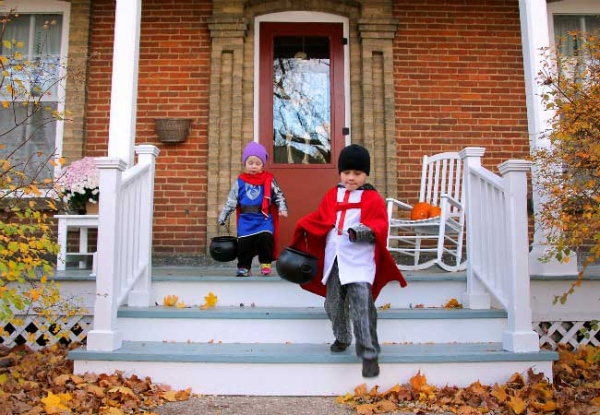
A wise woman once said to me that there are only two lasting bequests we can hope to give our children. One of these she said is roots, the other, wings. And they can only be grown, these roots and these wings, in the home. – Hodding Carter
We all want to raise confident, capable children. Sometimes, our own actions can inadvertently get in the way of this goal. Here are 5 ways to give our children wings.
Let Them Fail
Sometimes in our efforts to help our children succeed, we rob them of the resilience that is built through failing and working through setbacks. Many parents interfere and insert themselves into situations that children could work out for themselves, if given the space to do so. This interference comes from good intentions, and yet the consequences occur just the same. Kids begin to feel incapable of handling things on their own and reliant upon parents to fix everything for them. Failure won’t hinder their future success, so step back and let them fail and convey your belief in their ability to overcome the situation. It is through falling down and getting back up again that they learn to take risks and gain confidence and resilience.
Speak Intentional Encouragement
In this article, I spoke about being a light reflector who sees the light in our children and reflects it back so they can see what we see. Be intentional about speaking encouraging words to your children daily and watch how they light up and begin to bloom. Encouraging words nourish the soul and build confidence. Confidence is wings. This is different from heaping on praise such as “good job” and genuinely acknowledging your child’s innate goodness and strengths. If you need some ideas, I’ve also written 50 Encouraging Phrases for Kids.
Critical words naturally do just the opposite. They diminish the child’s sense of self and break confidence. Criticism is one of the “four horsemen” according to the work of Dr. John Gottman; these are four relationship destroyers. Criticism is especially harmful to sensitive children and children whose love language is words of affirmation. Of course, parents aren’t perfect just as our children aren’t perfect, so if you speak hurtful criticism to your child and see the light dim in their eyes a bit, simply apologize and get on with soul-building encouragement.
Let Them Do What They Can Their Own Way
We can undermine a child’s confidence by insisting they do things our way. They may not tuck the corners of their sheets in just so, style their hair the way we’d prefer, or pick out a matching outfit, but where possible, it’s best to allow them autonomy. NYT best-selling author, Rachel Macy Stafford, beautifully makes this point in an article titled The Manager in My Home and the Five Words that Changed Everything. When she stopped managing her children and allowed her child the simple act of brushing her own hair, things took a positive turn. What can you allow your child to do her own way?
Encourage Them to Master Something
Does your child start and stop activities? Do they lose interest or quit when it starts to get challenging? This is not uncommon, but when children do this enough, and they begin to feel incompetent. While I don’t believe in forcing children to continue something they have no real interest in, I do believe in being a cheerleader and encouraging them to press on when things become challenging and not be so quick to give up. If they’re always quitting, they’ll never master anything, and mastery builds confidence and self-esteem. By building mastery, they learn they can accomplish their goals through perseverance and determination and are rewarded with a sense of accomplishment when their goal is reached.
Let Independence Unfold – Don’t Force It
As we have learned more about child development and the nature of attachment, we know that independence cannot be forced but rather naturally occurs when the child has first formed a strong attachment to his mother or caregiver. When we try to force a child to be independent before he is securely attached or before he is developmentally ready, we can actually foster more dependence which lasts much longer than it would if we were to simply let it unfold. Of course, we can also hinder independence by being too controlling when they begin to show signs of autonomy beginning around the age of 2. They assert themselves with “no” or say “me do it,” and we may reprimand them for saying no or tell them they’re not yet old enough to pour the milk, thereby hindering their naturally developing independence. We need not force it; we must only get out of the way and allow it to happen.