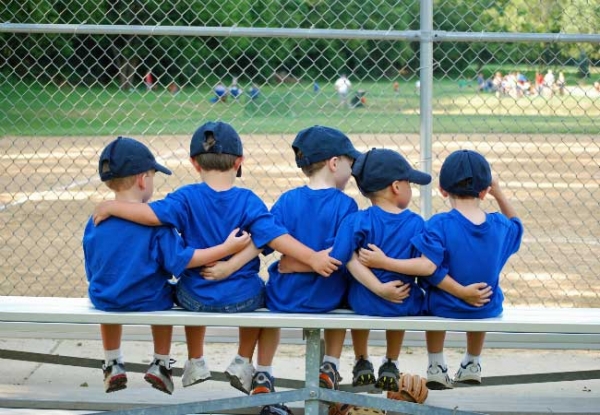
Karate, Cub Scouts, baseball, and acting classes are just a few of the extracurricular activities that we have undertaken. While most of them ended up not being our cup of tea, we found value in each one. Karate instilled discipline. Cub Scouts taught valuable life skills. Baseball was a great social activity and helped my child learn the value of teamwork. Acting classes have boosted my son’s confidence and given him a creative outlet.
Extracurricular activities provide several benefits for children, and while I’m a big fan of free play and a slower schedule, I have come to believe that one extracurricular activity of a child’s choice is worth the extra time and effort. Here are just a few benefits they provide.
Increased Social and Personal Skills
Children have a great opportunity to extend their social network through sports, arts, and other activities. Here, they meet peers with a common interest and build new friendships. While a classroom setting pairs students with peers of the same age, many extracurricular activities allow children to develop positive relationships with older and younger children as well as adults and even animals!
Having a passion or identity project can be especially important for children who are bullied, feel ostracized at school, or don’t excel academically. Extracurricular activities can keep them afloat with purpose and positive self-esteem.
Children also learn important skills such as leadership, time management, discipline, teamwork, conflict resolution, and problem-solving through extracurricular activities. For older students, activities look good on a college application or resume and may be a stepping stone toward their success.
Better Behavior and Academic Performance
Research has suggested that children who are involved in at least one extracurricular activity have less antisocial behaviors and reduced delinquency compared to those who did not participate. A study by Joseph Mahoney showed that academics also benefited, and children were less likely to drop out if they participated in extracurricular activities.
Higher Self-Esteem
A sense of accomplishment boosts self-esteem, and that’s what children get when they finally score a run, complete a recital, or finish a volunteer shift. During my son’s first year of Little League Baseball, he went to bat many times and struck out. His teammates and coaches kept encouraging him, and he kept going up to bat each and every game. He was learning grit. Finally, he got a hit and helped his team score. The MVP certificate his coach gave him that day meant so much to him because he had earned it. He was beaming as he ran toward me waving the certificate. It still hangs on his wall today.
Again, research tells us that, as children learn and grow in areas outside of academics, their self-esteem rises, and this has a positive effect on all aspects of their lives.
A Chance to Explore Talents and Discover Passions
Extracurricular activities give children a chance to explore possible interests, discover their talents, and find their passions. While some children may know their talent very early on, others may have to try out a few different interests before they find a spark. If they don’t get out on the field or up on the stage, they may discover that hidden gem within them.
Better Health
Many extracurricular activities, particularly sports, get children moving! As academics get more rigorous for children, they will begin to be stressed. Exercise is a stress-buster and provides mental as well as physical benefits. Being physically active boosts metabolism and mental alertness, and they’ll sleep much better at night, as well.
As you can see, there is so much value to extracurricular activities. While you don’t have to do go overboard and enroll in a different activity for every day of the week, it’s a good idea to try on a few hats and see which fit your child best!