The Scripps National Spelling Bee contest is one of the most cutthroat and revered competitions. Winning, psychologists found, takes more than IQ or talent. The kids who won were more inherently persistent and likely to plug away at practice on their own; they weren’t smarter, they just worked harder. This quality of perseverance and passion when working toward long-term goals has acquired the nickname of grit.
Angela Duckworth, who spearheaded this study, has also followed West Point cadets, and students at elite universities, sales people and teachers. In every case, she found that grit, not intelligence, academic achievement, or talent was a better predictor of early success, well-being and happiness. Grit, at least in males, also proved to be a better predictor of whether the subject was married and would stay married than standard personality traits.
“The idea that kids have to get straight A’s in everything and to take advanced classes is misguided,” Duckworth says. Granted some children are born grittier than others. But unlike IQ, which is relatively fixed, grit is something that can be acquired and harnessed. So how do you cultivate grit in your child for early success? Here are some tips.
Start early
Start young, but start early in the day too. Admiral Williams McRaven in the book “Grit to Great” is found saying that the number one lesson he learned from his Navy SEAL training was making your bed. “It starts you off in the beginning of the day doing something that you have to learn how to do perfectly,” he says, “and if you, by chance, have a terrible day, when you come home, at least you've done one thing right.”
The idea is to assign a task in the morning that your child is in charge of and can feel good about accomplishing at the first onset of the day. The challenge for parents here is to resist the urge to remake the bed your child made, which would send the message that their efforts toward early success aren’t good enough.
Praise the effort not the result
When parents focus on a child’s effort, it helps kids do the same. When you say things like, “Good job for not giving up,” instead of “you’re so smart,” it reinforces the idea that early success is the result of effort and not some fixed attribute they can’t change. It’s important to keep in mind that any self-disparaging talk would only negate what we aim to teach.
Make an effort to adopt positives mantras yourself. And whenever your child utters phrases like, “I can’t do this,” or “I don’t want to do this anymore,” remind them to replace them with one of the mantras you use.
Encourage by example
The Duckworth lab’s research, which was undertaken in partnership with classroom teachers, showed that students became less frustrated with the learning process and put forth more effort in achieving early success when they understood even experts struggle to learn their craft. Share your own experiences of being gritty or introduce gritty role models through books so they can begin to understand, as Albert Einstein said, “genius is 99 percent perspiration and 1 percent inspiration.”
Commit
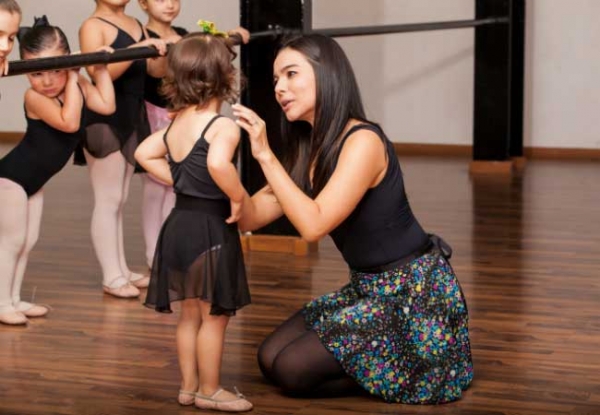
Whether it’s soccer, ballet, or a capella, have your child finish the season or term once they’ve enrolled or started something. They may hate it, in which case it may be torturous to watch. But it’s a good opportunity to teach them grit. Subjecting them to something they hate repeatedly may not be great for their confidence. But making them stick it out for the season will teach them about commitment.
It also shows kids that mommy and daddy won’t bail them out at the first onset of discomfort or boredom. While you can encourage early success as a parent, it’s up to the child to make the commitment. Once the season is over, even if they never enroll in the same sport or activity again, celebrate their completion as a way to praise the effort and not the result.
Help discover and nurture their passion
One of the characteristics of “gritty” people, the Duckworth Lab discovered, is they are “especially motivated to seek happiness through focused engagement and a sense of meaning or purpose.” In other words, one of the necessary requisites for cultivating long-term grit and success is passion.
It may be years or decades before your child discovers his own. And putting too much pressure to find a passion can be counter-productive. But continuously piquing your child’s curiosity and exposing them to what they like and excel in is a great way to help your child discover his own passion.
If you're looking for ways to encourage passion in your child's pursuit, read 7 Ways to Inspire a Child to Practice an Instrument (Without Tears)