Discover articles that actually help — on sleep, tantrums, teens, and everything in between.
We often repeat the phrases we heard as children without much thought. Here’s why it’s worth asking if they still fit your family’s values.
It’s not about raising activists. It’s about raising kids who become compassionate leaders, dependable friends and caring siblings.
Three well-studied elements—nature, music and laughter—create powerful physiological changes that help kids relax.
Anger is a normal emotion, but frequent outbursts mean it’s time to get to the root of the issue and teach calming strategies that work.
Orchid children are genetically sensitive and heavily affected by their home environment. Here are six things yours needs to bloom.
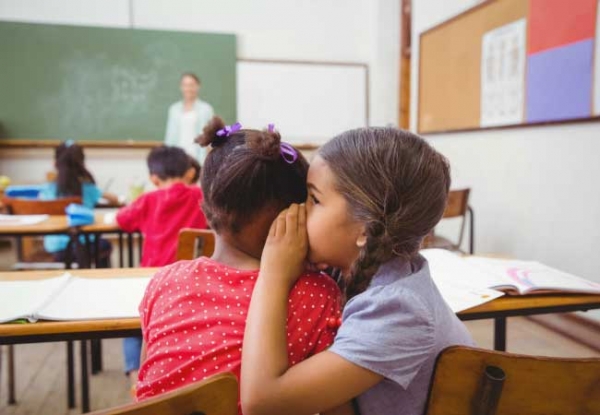
Kids succumb to peer pressure because humiliation and rejection seem worse than compromising their values. Here’s how to help your child resist.
A life well-lived means using your talents — and having champions who support and coach you along the way. Here’s how to be that for your kid.
Thanksgiving gives us a yearly pause to appreciate our blessings. But how do we teach our kids to be grateful all year long?
“My clothes hurt me.” Getting dressed seems simple to most, but it’s the biggest challenge my child faces on a daily basis.
Children aren’t meant to follow those they aren’t attached to. What does it mean to have your child’s heart? Let’s clear up the misconceptions.
A positive, non-threatening way to resolve conflict that gives kids a safe space to voice their feelings and think through their actions.
Time-outs can be a huge power struggle, especially with a strong-willed kid — and most of the time they don’t even change the behavior.
You can’t teach children to behave better by making them feel worse. When children feel better, they behave better.
There’s a reason I chose Positive Parenting 8 years ago, and keep choosing it. It goes beyond better behavior, happier kids and connected hearts.
My son has the highly sensitive trait, and while it hasn’t been without challenges, I’ve noticed it comes with these special strengths.
Emotional intelligence affects all aspects of our lives, and it’s never too early to start teaching your children important coping skills.
Genuine authority comes from trust; contrived authority comes from fear. Both get results, but how do they make your child feel?
Children don’t outgrow the need for secure attachment. Whether your child is 2 weeks or 12 years old, here’s how attachment shapes her emotional life.
Relational bullying — exclusion, gossip, rumors — can cut deeper than a shove into the lockers. Here’s how to raise a noticer and an includer.
Forcing a toddler to share can backfire and teach her that sharing feels bad. Here’s what to do instead, from turn-taking to sharing games.
Weekly picks, curated with love.