Discover articles that actually help — on sleep, tantrums, teens, and everything in between.
Researchers found that kids who thrived academically usually had an “identity project” — a hobby they pursued passionately. Here’s why it matters.
There are many ways to teach kids about our tiny blue planet and the vastness that surrounds it. Here are five to try with your little one.
Learning doesn’t stop at school. Your own backyard is full of chances for kids to explore science, technology, engineering, and math.
Kids who participate in science fairs will learn skills that can be used for problem solving and critical thinking throughout their lifetime.
Your child may come home with a science project soon, which begs the question: how much should you help? Here’s how to guide without taking over.
Award-winning Top Student jumbo activity books from Evan-Moor, with 350 colorful pages of skill practice for grades PreK–6.
You don’t need fancy kits to raise a science lover. Bath time, baking and board games all count.
From baking cookies to a kitchen science lab, here are easy ways to spark your preschooler’s love of science and math.
A DIY poster board packed with shapes, colors and textures that builds STEM and fine motor skills using supplies from home.
Academic pressure is pushing play out of preschool. Here’s what to look for in a child-centered classroom.
From self-esteem to better sleep, here’s why one activity of your child’s choosing is worth the extra time and effort.
Science, technology, engineering and math activities you can set up at home with cornstarch, gumdrops, LEGO bricks and a few apps.
Kindergarten readiness is about balance — academic and social, behavioral and mental. Here are eight tips to get your little one ready.
Books, supplies and homework are the easy part. Here are ten other ways you can support your kids through the school year.
Reading broadens kids’ horizons and gives them an edge at school. But how do you get them excited when video games and TV are clamoring?
Most parents have heard of Montessori, but is an alternative classroom right for your child? Here’s a look at two fast-growing approaches.
How did your parents choose your name? Have you ever spent all your pocket money? Here’s a kids activity to grow your child’s imagination.
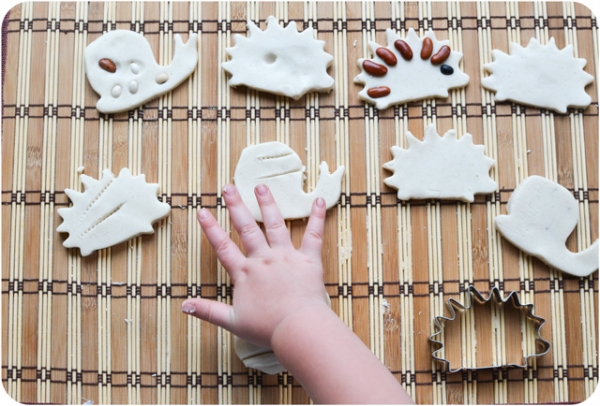
Try the techniques of the famous Italian educators right at home — no fortune on supplies required. All you need is play-dough.
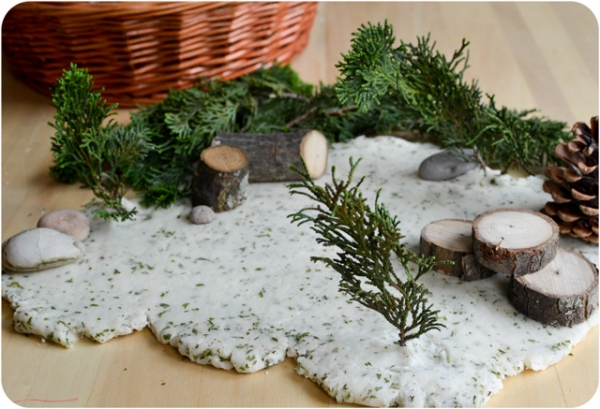
Continuing our series on alternative education systems, here’s a simple play-dough activity that shows the Waldorf approach in action.
Do you have a child born close to the kindergarten cut-off date? Redshirting is a personal decision — here are ten factors to consider.
Weekly picks, curated with love.