Discover articles that actually help — on sleep, tantrums, teens, and everything in between.
The way you talk to your child becomes their inner voice. Pick a few of these 50 affirmations and repeat them together daily.
“You don’t take on storms; you weather them.” – Dr. Gordon Neufeld
I’m raising two sons in a violent boy culture. I want them tender and compassionate but also strong — a balancing act I’m still figuring out.
Confidence is easier spotted than defined. Here’s what made one accomplished, down-to-earth 16-year-old pursue such ambitious endeavors.
There’s no way to fully bully-proof anyone, but these skills can help your child turn a bully away and get out of sticky situations.
“Come on! Hurry up! I asked you to get your shoes on!” Sound familiar?
Meet Shreyas Parab, the teen founder of Novel Tie, whose witty ties add individuality to strict dress codes — and start conversations for you.
As a mother of six, I know each child develops at their own rate — but mid-tantrum, it’s hard not to think “Your sister never did this.”
Positive Parenting works for all kids because kindness, respect, and love are universal. Every child needs them, and every child responds.
I hate when my children feel bad, and my first reaction is to fix it. Here’s why sitting with their sadness might matter more.
My highly sensitive child learned to name and command her emotions, and the tantrums eased — until her grandparents came for the summer.
Building your child’s emotional intelligence, or EQ, is a key factor in establishing effective communication skills. Here’s why it matters.
Before your child can talk about his feelings, he needs the words for them. Here are 10 emotions to add to his emotional word bank.
When time out stops working, try these 12 creative consequences, plus consequence jar ideas and the lasting benefits of natural consequences.
Why are some kids motivated and others not? I used to chalk it up to parenting and teachers. I don’t believe this anymore.
Every parent wants a kid who makes smart decisions in the moment. It starts with teaching self control — here’s how to begin.
It’s hard to let your child struggle, or even fail, outside their comfort zone. But those experiences build confidence and independence.
None of my tricks reached my son’s heart. Real change came when I stopped punishing his actions and started treating their cause.
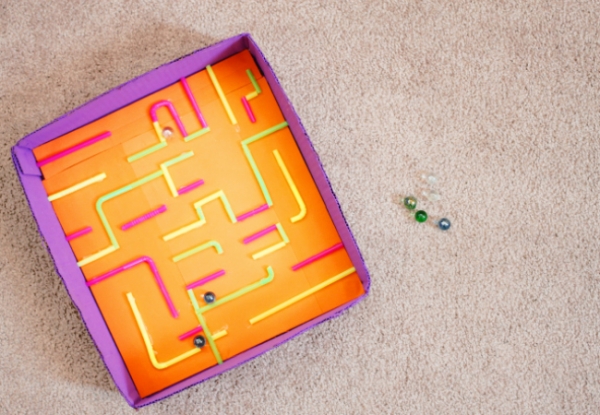
Create this fun maze with just straws and a shoe box! It’s cheap, easy to make, and great practice for little hands learning fine motor control.
Does your child have a hobby? If not, it may be worthwhile to help him find one. Having a hobby provides loads of benefits for kids, including:
Weekly picks, curated with love.