Discover articles that actually help — on sleep, tantrums, teens, and everything in between.
Teaching my oldest daughter anything was always a frustrating feat, and the strategies I tried failed — until I changed my language.
A child’s self-concept begins at birth, shaped by how adults respond to her. Here are 10 ways to help her build a positive one.
Our children naturally look to us for leadership. How can we be the gentle, positive, effective leaders our children need?
There’s no one-size-fits-all formula for raising resilient kids. Here’s why connection, not toughness, is what really prepares them for the world.
Worried that comforting a misbehaving child rewards bad behavior? Here’s why one mom swapped time-out for time-in — and never looked back.
Children behave better when they feel good about themselves. We all need to be seen, heard, and loved — and when those needs are met, we do better.
Most of us solve our kids’ problems for them. Here are 4 questions to ask instead, each time a problem arises, to raise a problem-solver.
Through play, kids release energy, reduce stress, and learn problem-solving. Here’s how to be playful in everyday tasks and connect more deeply.
Time-outs didn’t work for my highly sensitive boy, so I tried a calm down area instead — and it worked just as well for my non-sensitive child.
“Be good” rolls off the tongue easily, but perhaps it’s time to retire the phrase in favor of more helpful, positive language.
Discover the 3-step process for positive discipline, a Positive Parenting strategy that’s been truly life-changing for families worldwide.
Discipline doesn’t mean punish. Rather than busting bad behavior, teach what’s acceptable — and teaching through play has a big impact.
In our quest to raise emotionally intelligent children, positive parents understand the importance of accepting a child’s feelings.
Fine motor skills help toddlers and preschoolers learn to write and tie their shoes. Here are 20 activities using things already in your house.
Shaming is quick and often effective, so don’t be fooled into taking the easy way out. There’s a worthy human being behind that behavior.
Positive communication builds trust, connection and your child’s self-esteem. Here are the guidelines for talking respectfully with children.
Your child’s “upstairs brain” isn’t fully built yet. Here’s why punishment and threats backfire, and what to do instead when big feelings take over.
Tantrums are one of the most frustrating behaviors — here are four empowering tips to help your child make the right choices.
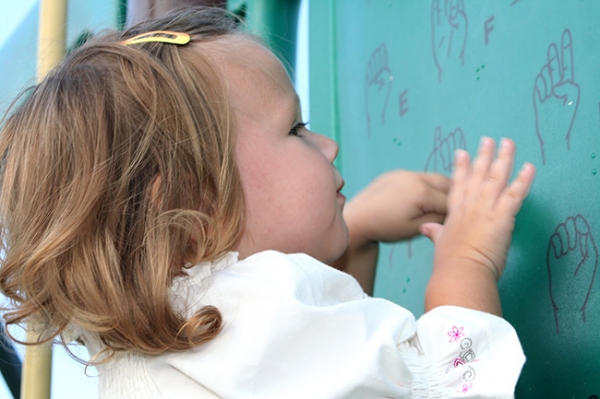
Teaching your baby a few everyday signs opens the lines of communication, gives you peace of mind and boosts early language skills.
Positive parents do discipline — just without punishment. Here’s why the quick-fix approach backfires, and what to do instead.
Weekly picks, curated with love.