Discover articles that actually help — on sleep, tantrums, teens, and everything in between.
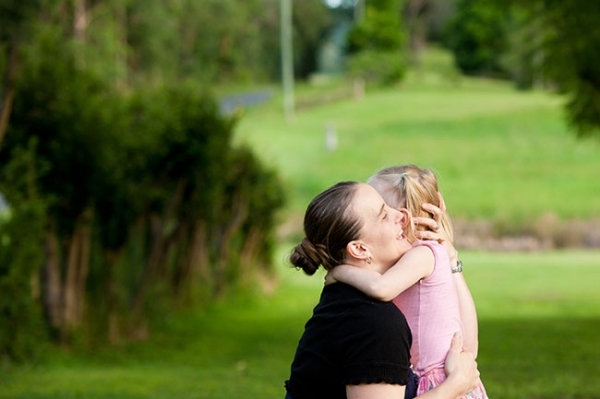
To understand why connection is the parenting key, start with the brain — here’s a simple look at the downstairs and upstairs brain.
We want children to value the truth and it's important we teach them to be honest. Here are some parenting tips on curbing lies in young children.
Tiny minds are a thing of wonder – and they function very differently than their grown-up counterparts!
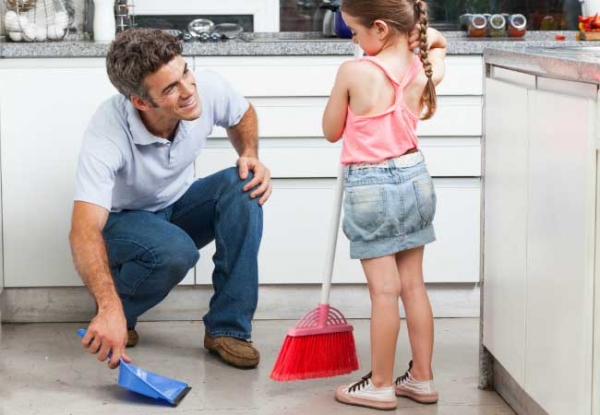
Brushing your teeth and cleaning up your room is no one’s idea of fun. Nor is it fun to beg and plead with your kids to do said chores
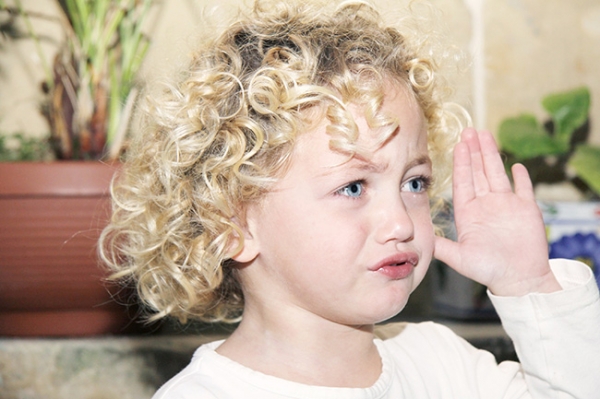
Kids often don’t understand how to appropriately express strong feelings like anger, frustration, or disappointment causing them to act out.
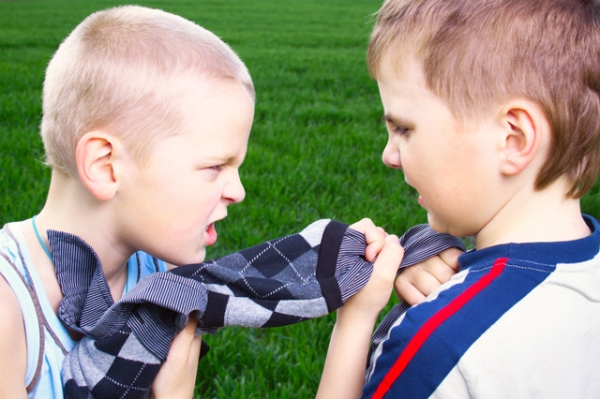
Sometimes in the middle of a power struggle, our parenting strategy dissolves into one-upping our kids and aiming to get the last word.
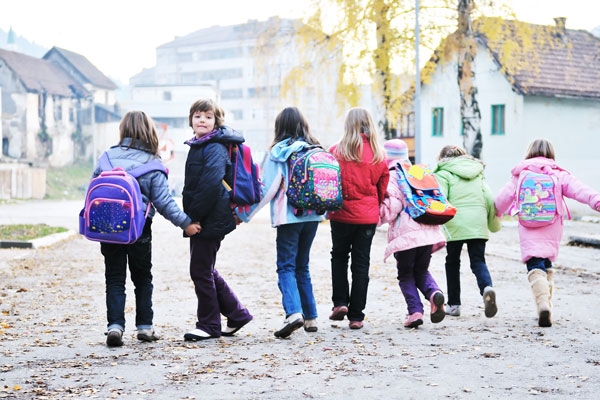
As kids grow, their emotional and social needs change. Here’s why recognizing each stage makes you — and after school programs — more effective.
Guiding your child to behave in a positive manner is as easy as 1,2,3.
We’ve already covered back talk and tantrums. Today we’re tackling number 3 on the list of behaviors that make parents lose it: not listening.
Next in the series on the behaviors parents lose their cool over: tantrums, the fourth most bothersome behavior on the list.
At last, the number one behavior that causes parents to lose their cool: aggression. Here are tips to help you handle it better.
The countdown continues, and whining lands at number two. Here are tips to help you deal with it without losing your cool.
High sensitivity isn’t always convenient, but it can be a gift. So how do you help your HSC thrive? Here are ten places to start.
She’s a perfectionist who can’t stand losing and feels things deeply. Here’s what helped me parent my highly sensitive child.
Losing a pet is often a child’s first brush with death. Here are 10 gentle, honest ways to guide your child through grief and toward healing.
We want our kids happy all the time, but it’s important for your child to learn that all emotions are normal and okay to feel.
Children learn best when they feel calm and connected. Here’s how the upstairs and downstairs brain shape the way you discipline.
There’s a disturbing trend toward creative consequences that shame kids publicly. Here’s how to set consequences that actually teach instead.
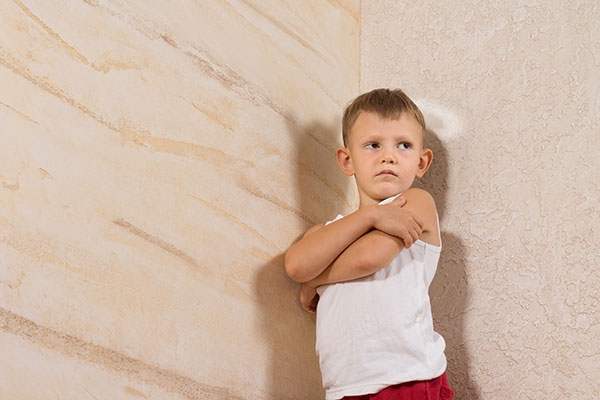
Time-out only works if kids actually sit and ponder their behavior. Here are 3 effective alternatives to try instead.
Parents and teachers are seeing the downfall of praise. Here’s how to avoid empty praising while still using positive encouragement.
Weekly picks, curated with love.